When I started looking into how to assess roofs using technology, I quickly noticed traditional methods take a lot of time and can miss important details. If you work in solar sales or property evaluation, you probably know the headaches: site visits that don’t go anywhere, long back-and-forths with homeowners, and sometimes a simple missed crack or shade spot that kills the whole project.
Now, with artificial intelligence helping us, the game has changed. I’ve watched teams get results in minutes that once took hours or even days. In this guide, I explain what I believe to be the fastest way to evaluate roofs using AI, based on what I’ve seen in the industry and my own experience, including some insights from Sunate’s platform.
What makes AI roof assessments so different?
One of the first things I learned is that AI is not just about computers. AI can spot things the human eye misses, crunch gigabytes of property data in a snap, and present actionable conclusions. In my opinion, speed and objectivity are two key reasons why solar teams are switching to AI-driven roof evaluations.
The right data at the right time turns a maybe into a yes.
Here’s what I see as the main ways AI upgrades roof assessments:
- It collects high-resolution images and cross-checks with weather, utility, and property records.
- It identifies problem areas like shading, aging, or damaged tiles fast and consistently.
- It scores properties based on how likely they are to be a good fit, skipping unqualified leads.
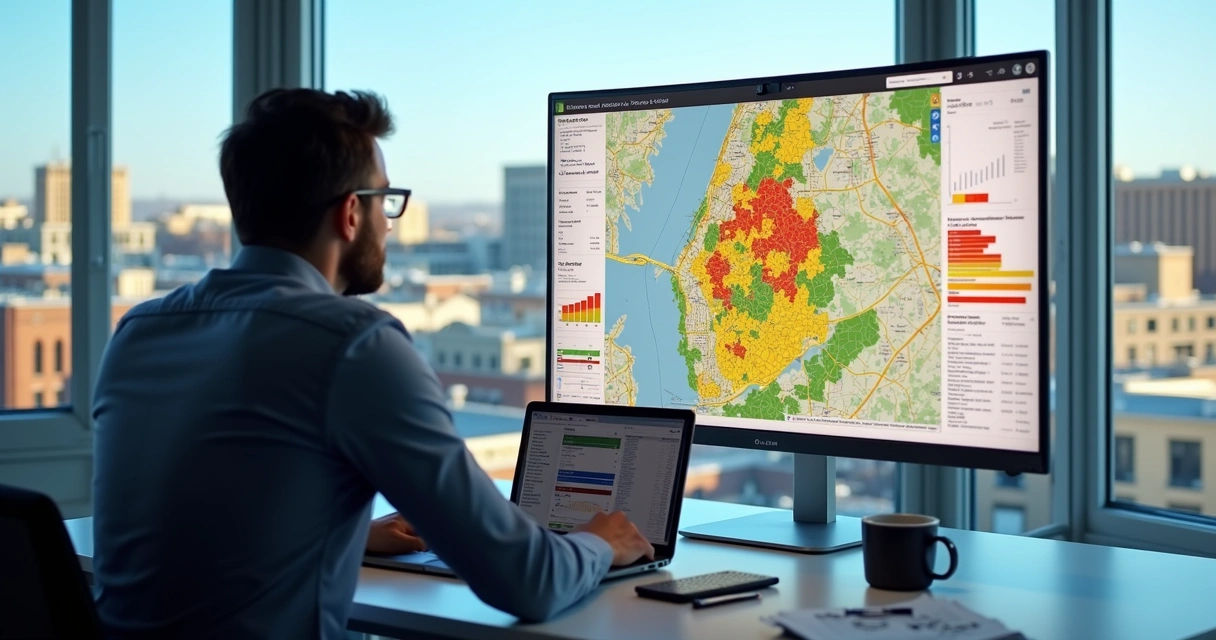
With Sunate, for example, it’s common to see these features working together so reps can instantly map top opportunities in Massachusetts, Rhode Island, and Connecticut.
Steps to evaluating a roof with artificial intelligence
From my research, here’s a step-by-step approach that many professionals, including myself, use with AI-powered platforms:
- Gather property data
I always start with basic information: address, building type, year built, and available utility info. Modern AI tools like those used by Sunate pull all this data from multiple databases and keep it organized.
- Review satellite and aerial images
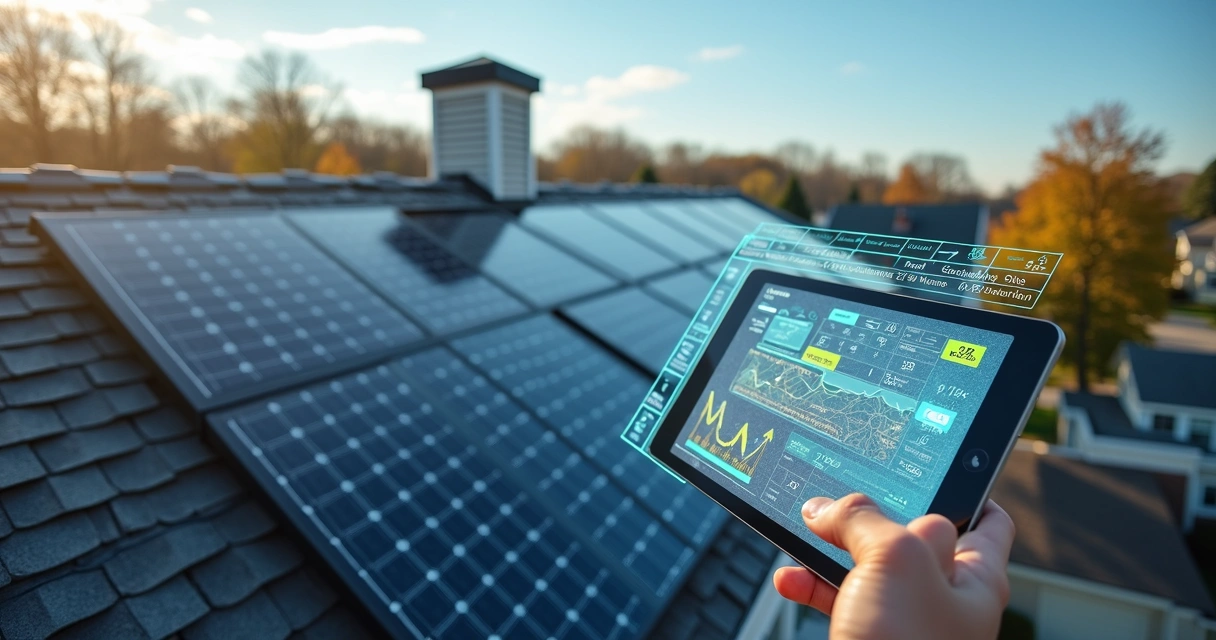
AI-assisted platforms can scan recent aerial or satellite photos to pinpoint a building’s roof area, pitch, orientation, and even spot obstructions such as chimneys or skylights.
- Assess roof condition and shading
Using AI, I get a quick analysis of things like moss, wear, or cracked tiles. Sunate highlights shading issues as well, helping me understand how tree growth or nearby buildings affect solar viability.
- Estimate solar potential
Advanced AI can take all this input and calculate how much sunlight a roof gets in a year, estimating realistic energy savings for solar installations. This step saves hours of fieldwork in my experience.
- Prequalify the property for sales outreach
Instead of shooting in the dark, I let the AI tell me which properties make sense for a sales push. This not only raises my closing rate but also makes conversations with homeowners more productive.
For an even deeper dive into how AI shapes the solar industry, I sometimes check resources like AI in solar workflows.
The biggest benefits I see using AI for roof assessment
After years in the business, I can honestly say AI has made things smoother for the teams I’ve worked with, in ways like these:
- Instant analysis: What took days is now available in minutes.
- Reduced site visits: Sending reps only to top-qualified roofs saves time and money.
- Less guesswork: Decisions are driven by real, current property data.
- Consistent results: AI doesn’t get tired or distracted, so its analysis remains stable.
- Scalable outreach: With built-in multilingual options like those offered by Sunate, I reach more people effectively.

I’ve experienced how much more confident I feel presenting a proposal to a client when I know the data is this reliable. And when potential buyers see a full report, including satellite imagery and energy savings, they trust the process a lot more.
What property data is most useful for AI roof evaluation?
Whenever I talk with new solar reps, they often ask what bits of property data matter most to AI. Here are the top data points I see making the biggest difference, and that are core in Sunate’s assessments:
- Roof age and material: Certain materials or ages predict remaining lifespan.
- Pitch and orientation: Sun exposure varies based on angle and direction.
- Obstructions and shade: Trees, antennas, and nearby buildings can reduce output.
- Utility usage history: Real energy bills help estimate solar impact.
- Historical repair records: Past issues may affect installation or insurance.
You can find more details on how property data shapes these insights at property data for solar analysis.
The role of lead qualification and targeted outreach
AI in roof assessment isn’t just about condition reports, in my view. It also shapes which homes or buildings deserve your attention in the first place. With so many addresses to choose from, picking the right ones matters.
AI pre-qualification means only leads with high conversion potential get pushed to your sales team. This avoids wasted time on properties that won’t make the cut and enables more focused, impactful outreach. I’ve seen teams multiply their closing rates just by letting the AI filter out the noise.
If you’re interested in more details around solar industry lead generation with AI, there’s a helpful read at solar lead generation using technology.

Reducing risk and increasing close rates with data-driven decisions
In my own work, nothing improves a sales process like having the best prospects lined up. But there’s more to it. Data-driven decision-making also lowers risk for both the business and the client, since all parties operate with clear, updated, and objective info.
I found it remarkable that some platforms, like Sunate, even offer multilingual outreach, which means more homeowners feel confident and understood. This tends to improve response rates and referral chances.
Data builds trust. Trust closes deals.
How to get started with AI roof assessments
If you’re new to this approach, here’s how I’d suggest getting started:
- Pick a region and gather recent addresses for assessment.
- Choose an AI-assisted platform with current property and satellite data.
- Run a test assessment: review the insights, installation fit, and lead potential.
- Share a detailed report with your team and adjust your strategy as needed.
Solar-focused AI platforms, like Sunate, can help identify ready-to-close opportunities, so your effort means more wins.
To see results in real time, you can always check resources about solar energy innovation, like solar energy advancements.
Conclusion
If there’s one thing I’d highlight from my experience, it’s this: AI-powered assessments for roofs strengthen every part of the sales and installation journey. You save time, avoid unnecessary travel, and present confident offers your customers can trust. With platforms like Sunate handling millions of data points across New England, teams can focus on closing more deals—faster and smarter. Feel ready to see your territory’s top leads mapped out? Book a 15-minute Sunate demo and start working with the most promising opportunities today.
Frequently asked questions
What is AI roof assessment?
AI roof assessment is the process of using artificial intelligence to quickly evaluate the condition and suitability of a roof for installations like solar panels. It collects data from aerial photos, property records, and weather history, making it faster and more objective than manual inspections.
How does AI evaluate roof conditions?
AI evaluates roof conditions by analyzing images and property records to spot details like roof age, material, visible damage, and shade patterns. These systems compare historical and current data points to provide an instant overview of the roof’s health and fit for solar.
Is AI roof inspection accurate?
AI roof inspections are highly accurate because they collect and process up-to-date imagery and data with minimal bias. While no process is perfect, my experience shows these tools often spot issues humans might miss during a quick visit.
How much does AI roof analysis cost?
Pricing for AI roof analysis varies, depending on the features, coverage, and scope. Some services provide single-use reports, while others, like Sunate, offer a subscription for ongoing access and territory-wide insights. The cost is usually matched by the time and travel savings it provides.
What are the benefits of AI for roofs?
The main benefits of AI for roof assessment are speed, consistency, and precision. You can quickly find properties with high solar potential, cut down on wasted visits, and turn more leads into successful deals, all while reducing sales risk and effort.
For more stories and tips on maximizing solar sales, I sometimes recommend reading this example post about property outreach: making property outreach easier with AI.